Leave No Trace Principles: Use Durable Surfaces

The second of the Leave No Trace principles is all about minimizing our impact on the surfaces of the areas we pass through on our adventures.  This would seem to be the most obvious of considerations when thinking about reducing our mark on the land.  Often there is actual visible evidence that is left behind, but there are a lot of other things to keep in mind which you might not have thought about before.

Preparation before you go is as always important and it plays a big role again here.  Knowing as much as possible about your intended route, what environments you’ll pass through both generally and any especially sensitive, will help you plan ahead to minimize your impact.   You’ll definitely want to be aware of any local regulations.  The gear you bring and how you use it come into play so you need information to make the right choices.  I guess that is why the first LNT principle was Preparation.

Impact while traveling is important to think about even on a day hike, but when backpacking becomes even more important.  The heavier load means every step has greater potential to do damage.  If at all possible it is better to follow existing trails.  By concentrating activity to a smaller area the over all impact is lessened and can be mitigated.  Conversely when a trail is not available it is better to spread out and disperse your group’s impact.

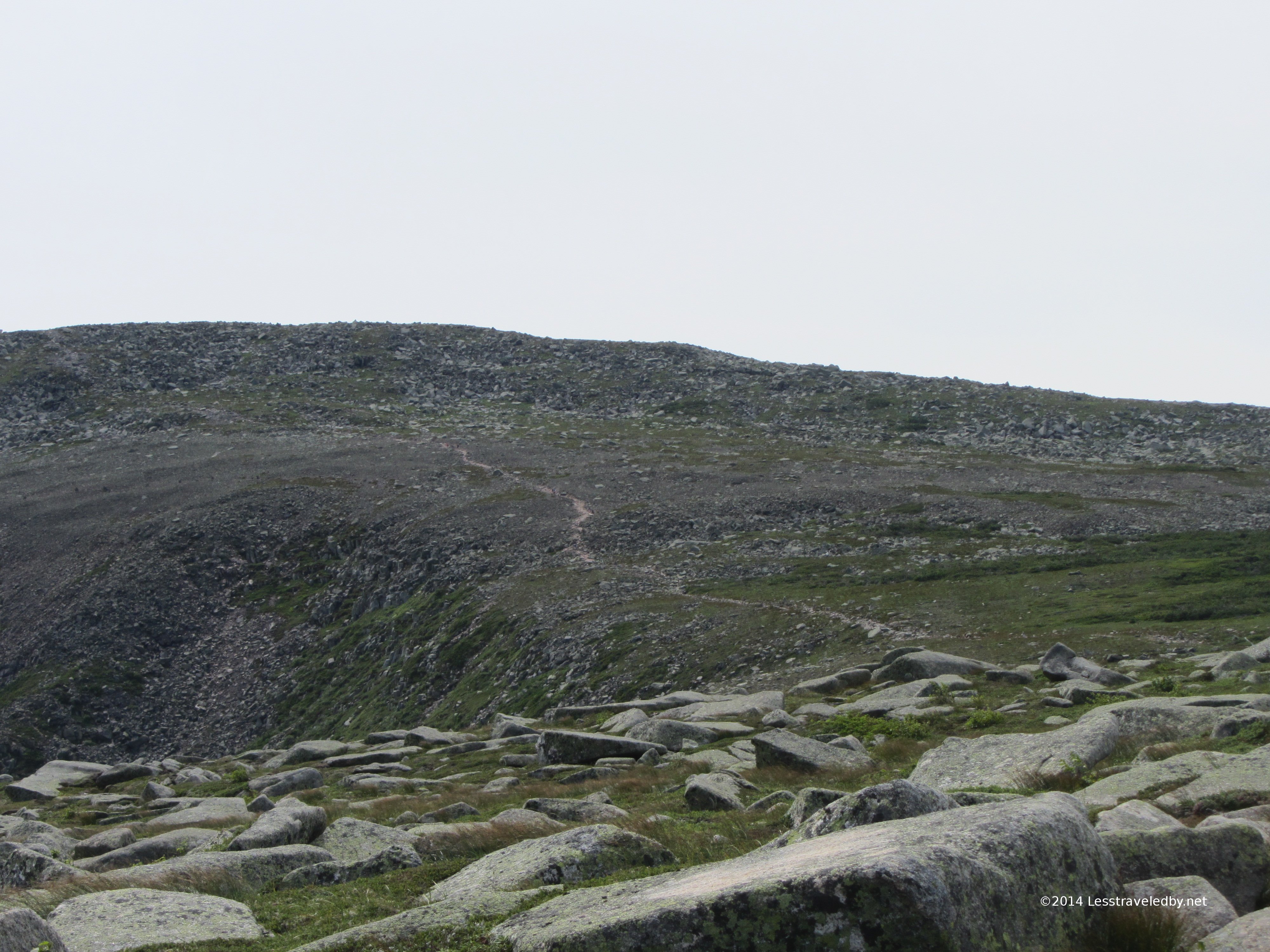
When on a trail you should stick to the trail as closely as possible.  Things like cutting corners on switchbacks or walking on banks to the side of a trail to avoid a wet center not only create damage as you pass, but the trace of your passing will encourage others to follow you off trail.  If bog boards are available they should be used even when the ground is dry unless a well worn path exists beside them.  Even when hiking on rock above the treeline sticking to the trail is best as lichen and other organisms living on alpine rocks grow very very slowly.

Only when an area does not already have trail access should you consider traveling off trail. If you are hiking off trail you now have an extra task to be mindful of.  Being off trail means making an effort not to create a new trail.  Your goal should be to leave so little sign of your passing that another person would not be drawn to follow your path. If traveling in a group dispersing and avoiding following the same exact path helps.  Never slash or paint blazes and if using so called “eco” tape to mark a return path take the time to remove it on your way out.

Impact when you stop needs to be considered as well.  This includes breaks along the trail, nature calls and overnight camps.  The same basic  concepts above apply here.  If there are existing areas of high impact use them.  If there are none then leave so little trace of your use that another passing by would not be drawn to choose this spot over any other.  High use areas often have designated campsites and while they are often less than pristine they do focus the damage in areas that can best be maintained.   Some areas require you to only camp in designated sites for this reason and if such rules exist should always be followed.

Again, if you are camping in totally unimproved areas your goal should be to leave no sign of your campsite when you leave so that others would not be drawn to use the same spot.  This starts with choosing a good spot with more durable surfaces preferred.  If rock, dirt or sand are available such surfaces should be your first choice.  If you must camp on vegetation, grasses are usually the most resilient.  When staying in an area for more than one night it can help to relocate your camp each day.  As you break camp a fallen branch or trekking pole can be used to help flattened vegetation start standing back up.

In lesser used areas you’ll really want to consider how you use your camp, especially as group size expands.  Nature calls, wood gathering, water collecting and just general puttering around camp can lead to a lot of footsteps.  Dispersing again is very useful so try to spread your impact out.  Try not to take the same path each time you are headed to the same place and think about how you can reduce trips.  Water collection is a good example.  You can make one trip and fill a large reservoir rather than multiple trips for smaller amounts or if making multiple trips then try taking a different route each time.

So much depends on exactly where you are headed that these basics are enough to get you started, but if you really want to get serious about LNT expect to do a little extra research before you head out on a day hike or extended trip.  Some places are so fragile that a footstep’s damage can take 100 years or more to repair so knowing whats out there before you go is vital.  Get out there, enjoy all nature has to offer and give a little thought to leaving your path looking a little less traveled by
IMG_1352a

Not Shopping Season In Full Swing

Mid-Winter through early Spring is a time I call “Not Shopping Season”  The days are getting a little longer and the sun is riding higher above the horizon.  The senses begin to feel a hint of the Spring to come even though it is months away.  The mind starts to imagine the adventures it will open the door to.  A season of hope to be sure, but there is a dark undercurrent to this time of year.

Not Shopping Season is the time of year when all things seem possible; short trips, long trips, new places and old…and what to bring on these trips‽  With time to think, read, talk, argue and laugh about gear with like-minded folk this time of year can be treacherous indeed.  Lurking around every corner is another wonderful item that would be perfect for this Summer’s dreamt of adventures.

It doesn’t matter that the item isn’t really needed.  It doesn’t matter that you already have something similar.  What matters is action and if you can’t apply your energy toward moving down the trail then buying trail gear will be just the thing!  The item comes, is unboxed with great joy, tested in the living room or back yard and then since you still can’t hit the trail…the cycle begins again!

Understanding the time of year and myself well enough I make an effort to fight these instincts.   I remind myself that when I’m puffing my way to the top of a steep climb I rarely am thinking “If only I had more gear with me!”  I also keep in mind that if I spend a lot of money on fancy new gear I won’t have money for fuel and supplies to actually go anywhere.

So this is the season of trying not to buy things.  So far I’ve done very well, but lately I’ve been slipping a bit.  Nothing for me, but I’ve been thinking Mrs Stranger needs a new pack for this year.  Well and her sleeping bag isn’t very well suited for trail use so it may be time to get that double quilt we’d talked about.  Of course our daughter will need bigger trail shoes this year and…

Yes, the Not Shopping Season is in full swing here.  It is good to have a sense of humor about these things I think.  We are human after all and people are pretty funny if you are paying attention.  Good to be honest about our silliness with ourselves at least.   So we weather our Winter months in good spirits, dreaming of days to come on the path less traveled by

DSCN0892a

Little Acorns

Little Acorns

Living things tend to start out as a sprout.  Small and fragile, but filled with all the potential of life itself.  What sort of world they start out in often makes an impact on how they grow and develop.  If things are too rough they may not mature properly or even survive.  If things are too easy they may not be tough enough to handle the rest of what life throws at them.  This applies to trees in the forest, lettuce in the garden and just as surely to children.

I was working on another Leave No Trace post for today, but my daughter was taking up most of my attention all morning.  Rather than let that be a problem I took it under advisement and decided to make this post about her too.  Well, not just her, but kids in general and how important it is to get them out there into the world.  What they experience as youngsters will be a foundation for everything else they experience in life.   Less screen time in favor of getting out there and seeing the real world can only be a good thing in the long run.

IMG_1668a

Giving them a foundation based on a love and respect of nature, a sense of self sufficiency, self challenge, good nutrition and fitness is probably one of the best things we can do for the next generations.  The lure of flashing light and sound draws them to TV and computer screens effortlessly.  So much so that parents seem happy to use these things as electronic pacifiers.  Later life will likely teach them to be too busy to notice the beauty of life all around them as they rush about doing important things.  If we don’t make an effort to help them learn to devote some of their focus to the world around them they may go through life without even noticing it.  That seems sad for them and dangerous for the world.

We took our daughter on her first camping trip before she could walk.  Once she started walking she began taking us on daily trips around the block and now is always asking to go for a walk in the woods or up the hill.  It is hard to say if we are a good influence on her or she on us, but as a family we make getting outside an important part of our life.

Choosing to get out there together whether for a day hike, car camping or backpacking is great, but it comes with some serious responsibilities.   Safety is of course the number one focus so you have a responsibility to be prepared.  Being prepared will also give you a chance to demonstrate good stewardship of the lands you visit.  The younger folk we lead out there will learn from our actions more than our words, so we have a responsibility to lead them well.

If you have kids give some thought as to what you are teaching them about their world.  (If you don’t you may have family or friends who do or perhaps you might consider volunteering to work with kids who need adult role models.) Think about what you want them to know is important to you.  Then maybe think about finding a path somewhere you can walk together while you can.  Soon enough they’ll be choosing their own paths and ours sadly will be less traveled by

IMG_1718a

January Refreeze

The thaw has given way to Winter once more.  Everything started moving again there for a few days but now that is over.  Things will stick where they are now for a while, but I try to keep moving to avoid that fate.  I pulled on my hiking boots and did a five mile loop that crossed the river twice.  Felt good to be in my walking shoes instead of the big insulated boots.  The temp was about 0°f when I set out but I kept up a good pace and wasn’t bothered other than the ice in my beard.

IMG_2317a

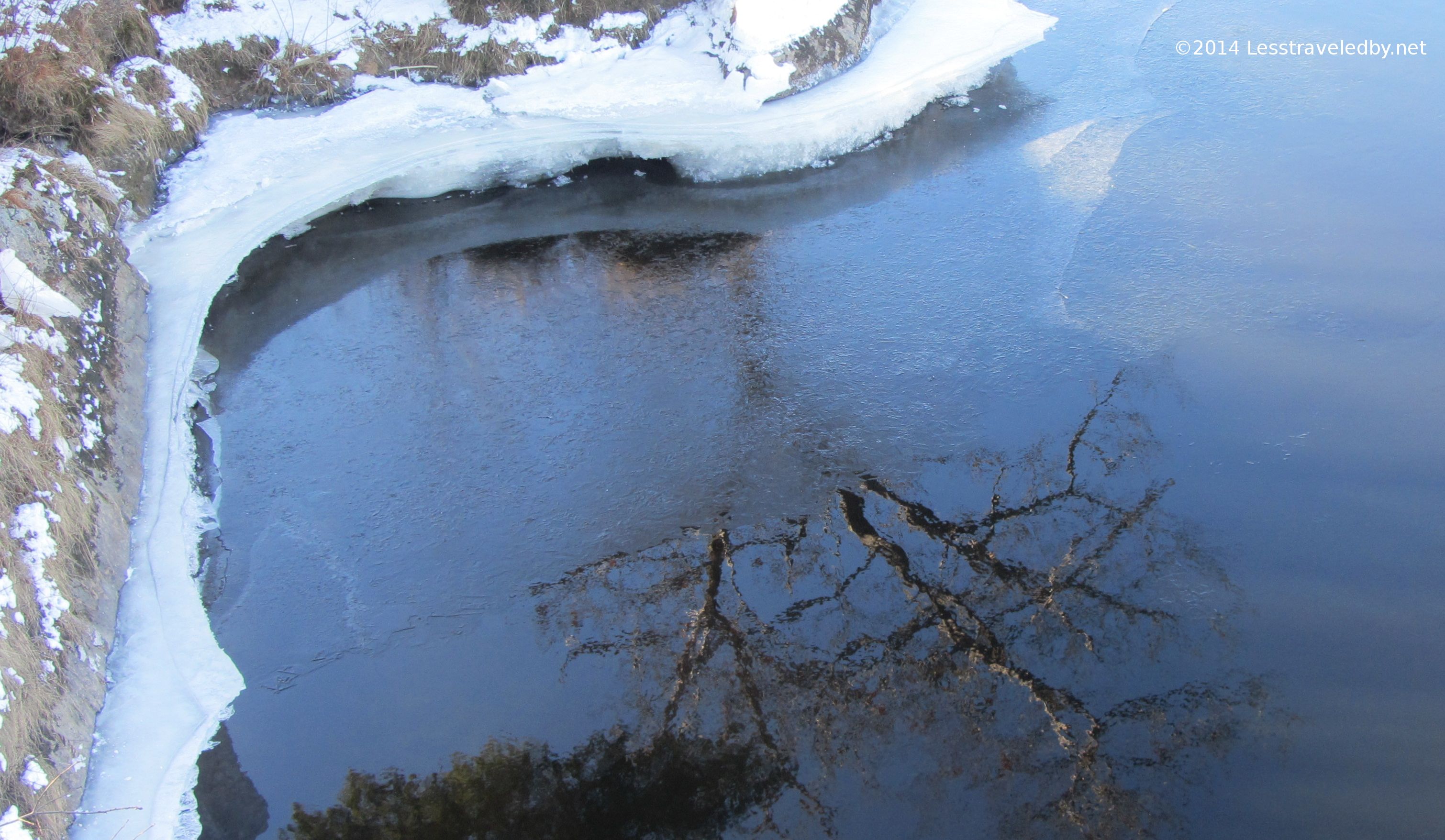
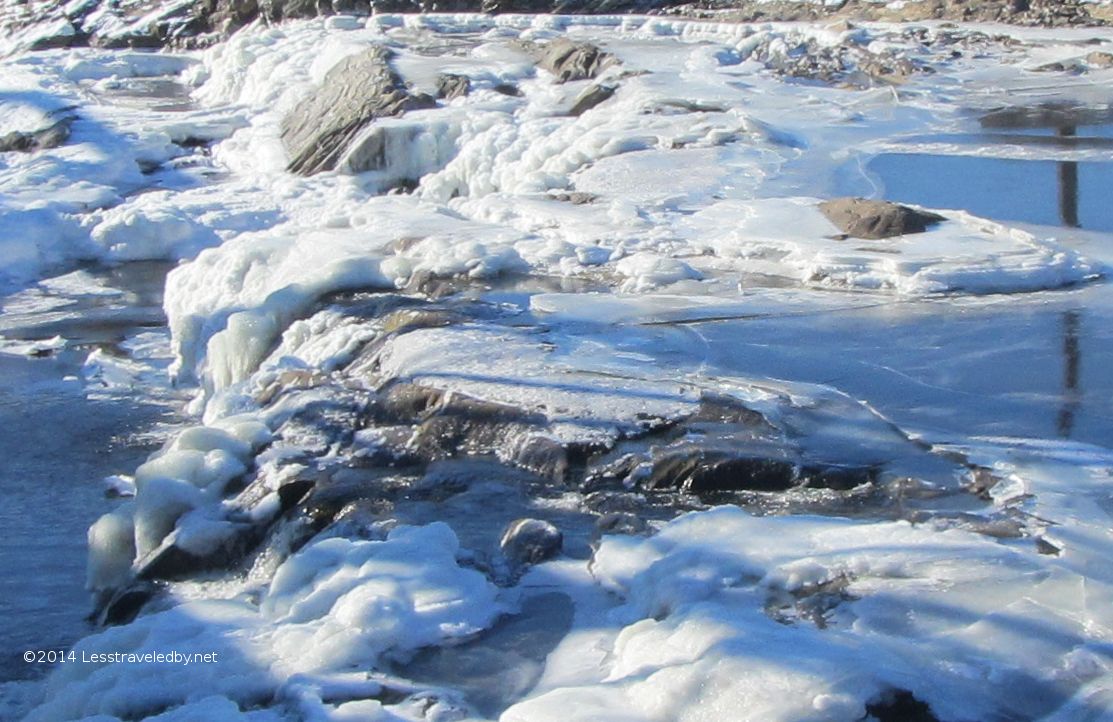
Some open water remains but won’t last long.

IMG_2331a

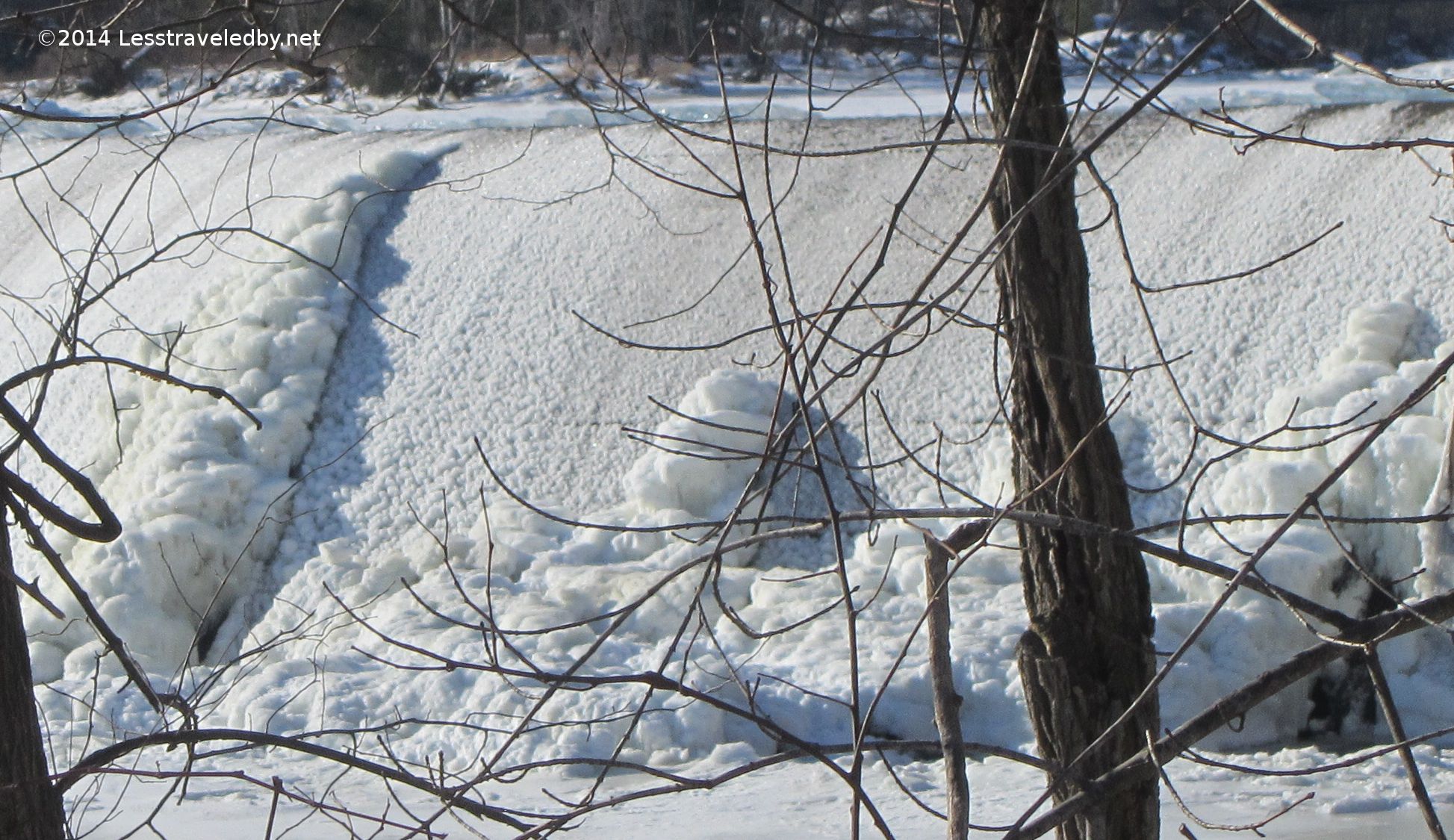
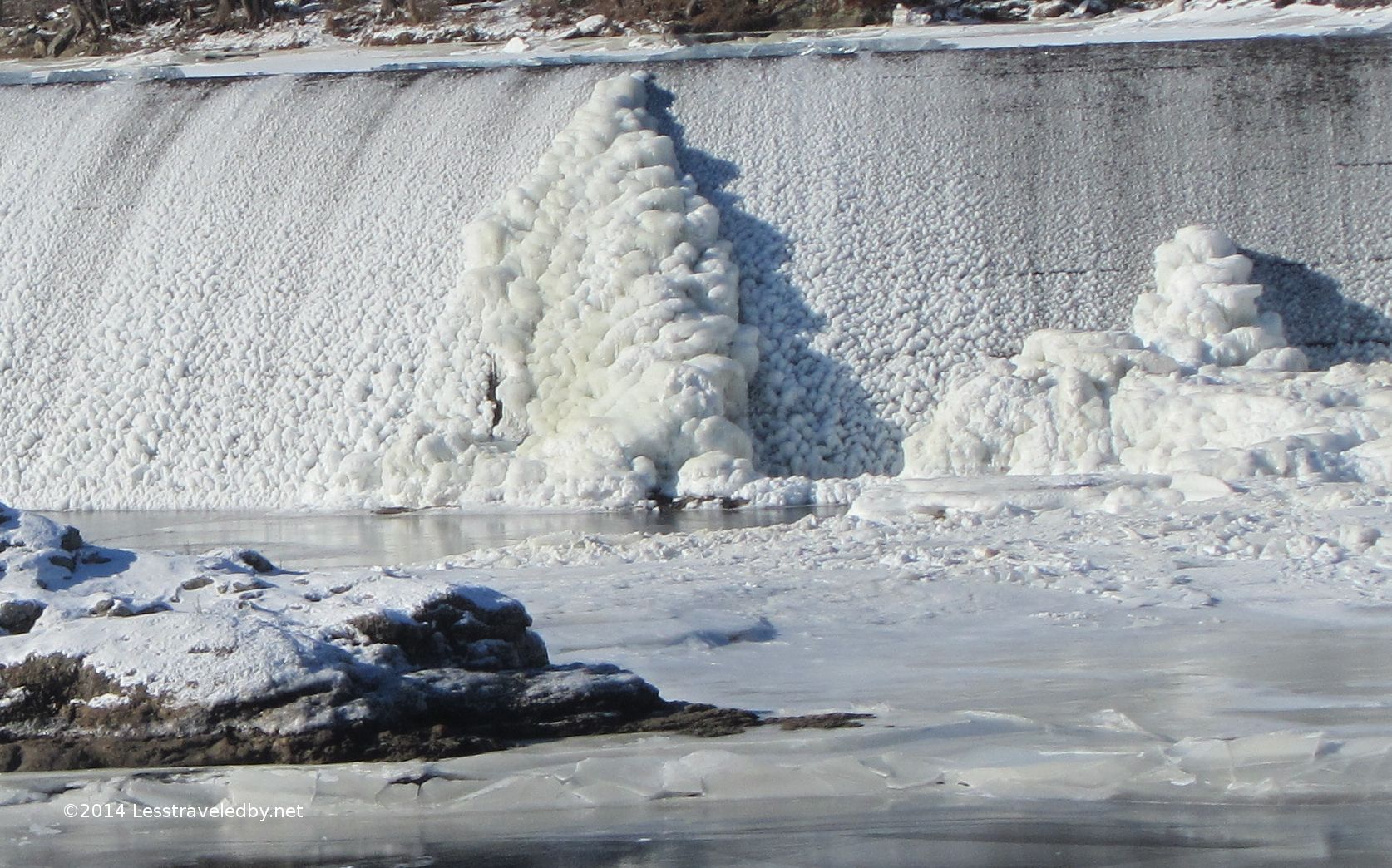
The ice on the dam is amazing to see.

IMG_2336a

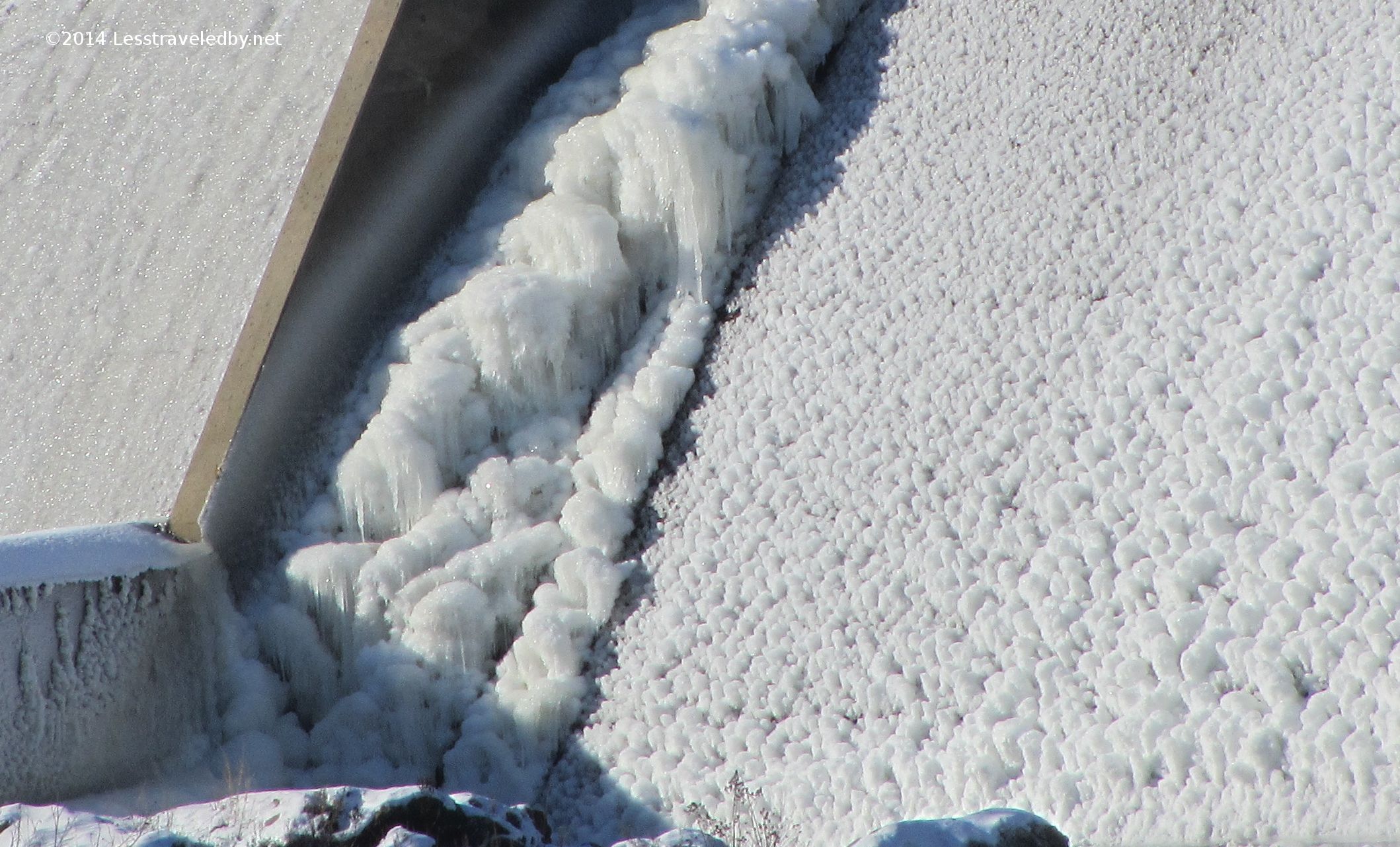
It forms from water in motion and leaves behind solid shapes that hold that motion in place.

IMG_2340a

It lets you see movement in ways you can’t unless it is held still.

IMG_2347a

No thousand word essay today.  Such a nice walk in the cold Winter sun has left me feeling quieter.  If these pics don’t do the trick for you then by all means get out there and find yourself a path to travel today

Leave No Trace Principles: Preparation

Preparation is the first of the seven principles of Leave No Trace for a reason.  What you do before you head out into the wilderness sets the stage for what you will do when you are out there.  This extends far beyond LNT.  All aspects of an adventure are impacted greatly by what we have or haven’t done before we left home.  Being prepared leads to having a better and safer experience so even if you aren’t that concerned about LNT it’s still a pretty good idea.

Preparation begins with knowing the area you will be traveling in.  That knowledge needs to extend far beyond just the trail names or camp site locations.   Only by knowing the details of the terrain, elevation and water courses can you determine what equipment will be needed, what pace can be expected along with primary and alternate camp sites.   Being aware of who controls the area and what regulations are in place is a must.

Another very important feature of a location is its weather.  While you can’t bank on a long range forecast studying up on what is considered normal and recent history will give you some insights into what you may run into.  It is a good idea to also get some idea of the possible extremes because weather is rarely normal heh.

Knowing your gear on a detailed level is another cornerstone of preparation.  It helps you decide what to bring on a trip and how to use it when you are out there.  You don’t want surprises in the back country and certainly not in the form of broken gear or worse, injuries.  Being very familiar with your gear has other benefits as well.  If you read about my recent overnight in the snow you may have noticed that I made it through the entire night without breaking out my lantern.  I knew where all of my gear was stored, how to unpack it and set up my camp and get ready for bed all pretty much by feel.  When I go to get something out of my pack I rarely use my eyes even in daylight as my hands know where to “look”.

The semi-official Leave No Trace folks over at lnt.org include concepts like smaller group sizes and trying to travel during off season dates in their preparation focus.  I don’t travel with large groups and am always trying to get away from where the people are so these don’t really come into play for me, but they may for you depending on who you go with and where you go.  More people traveling the same area means not only more impact on the land but less time for it to recover.

One thing they don’t seem to stress enough I feel is fitness though they do mention assessing skills during planning.  No amount of research and planning can make up for a body that isn’t up to the requirements of a trip.  If you’ve got money to throw around you can always get better gear but that doesn’t work for fitness.  The only way to be sure your body will be ready when you need it is to train it in measure with what you expect to ask of it.  This becomes ever more important as you age, trust me heh.

Now other than the obvious part about group sizes you might be wondering what all of this preparation has to do with Leave No Trace.  Yes, it is all good common sense advice but how does it lessen the impact we have on an area?  By being prepared for what you encounter you greatly reduce the risks of making mistakes which can lead to  damage to vegetation and terrain, injuries or perhaps worst of all a search and rescue operation.

When people are cold, wet and/or hungry they can make poor choices which can result in needless damage.  Harming vegetation to create emergency shelter and fire damage are big noticeable forms of impact but there can be many smaller ones as well.  Once people begin to lose control of their situation they are less likely to focus on their impact as survival becomes the imperative.  Being prepared is a big help for both staying in control and surviving with the happy by product of helping us to keep our impact to a minimum on the path less traveled by.

IMG_1729a

I have added a “Leave No Trace” category to make it easier to locate posts in this series via the menu at the right.

Androscoggin Winterlude

Androscoggin Winterlude

This time of year I don’t like to leave my wife alone to deal with the hard work that Winter brings so I don’t usually get away for real trips.  I try to get by with a hike when I can and of course burn off energy on the recumbent in the basement.  So when the chance came up Saturday night I jumped at the opportunity to put together a quick pack and head out for a night.  Not a real trip, but still a chance for a little local adventure.

After the long warm spell it was finally cold enough to snow instead of rain.  I headed out after dinner wearing a few light layers under a light shell.  Too many sweaty hikes have taught me to go easy on the insulation while I’m walking even in pretty low temps.  Wicking layers are nice but it is hard to vent large amounts of heat and vapor so better not to generate too much in the first place.  Every body is different and it is a life long learning experience for most of us when it comes to what our bodies need to be the right temp in all the varied conditions Mother Nature throws at us.

The storm kept the full moon from shining through but there was enough bright, fresh snow that I navigated without a light despite the first half of my trip being a bushwhack.  The thaw and rains resulted in a lot of water which seemed to be everywhere, but under a solid layer of ice a couple of inches thick with snow on top.  Most of the time it held me but when it failed I’d suddenly go mid-calf deep before hitting bottom with a splash.  I was really glad for my Baffins which come almost up to my knee and are both insulated and very waterproof.  Instead of lots of cursing there was giggling each time the ice would groan but not give way and outright laughter when it did.

Happily I found the spot I intended for my tent was covered in snow rather than ice, water or mud.  The site had been scouted previously for a level tent spot with no limbs to hide under the snow, but most importantly lack of widowmakers above.   Keeping my walking layers on I quickly set up my tent, still without use of a light.  Then I set up my bed laying out two pads and shaking out my quilt.  The sheet for my top pad was no where to be found.  Last minute packing when I haven’t been on a trip for two months I was bound to forget something!

Only when I had everything set up did I turn around, sit backwards into the tent door and pry off my boots.  I’d allowed some of the falling snow to infiltrate the tent through the open door as I was working on the bed, but no need to get any more in if possible.  A little moisture isn’t a big deal on an overnighter like this, but for extended Winter camping you want to be really careful about bringing any extra into the tent.

Once inside the tent I made sure to keep my weight on the sleeping pads so I didn’t melt holes under me.  I’d already taken off my outer shell and shaken the snow from it before entering the tent.  Now I started adding layers rapidly as my walking heat was all but gone.  First came a couple of fleece layers one thicker than the other and then my big puffy TNF Nuptse.  I replaced my hat with a balaclava and once my down jacket and quilt did their magic I was toasty warm.  My quilt is only rated for 40°f but with the rest of this system in place I am comfy into the teens.

I fell asleep early to the wonderful sound of snowflakes hitting and sliding down the tent fly.  The sleep was good but frequently punctuated by the sound of snowplows banging and beeping somewhere which carried far on the open ice of the river.  A couple of late night nature calls tested my ability to get those big boots over my sleeping socks in a hurry heh, but all in all a restful night for body and soul.

IMG_2294a

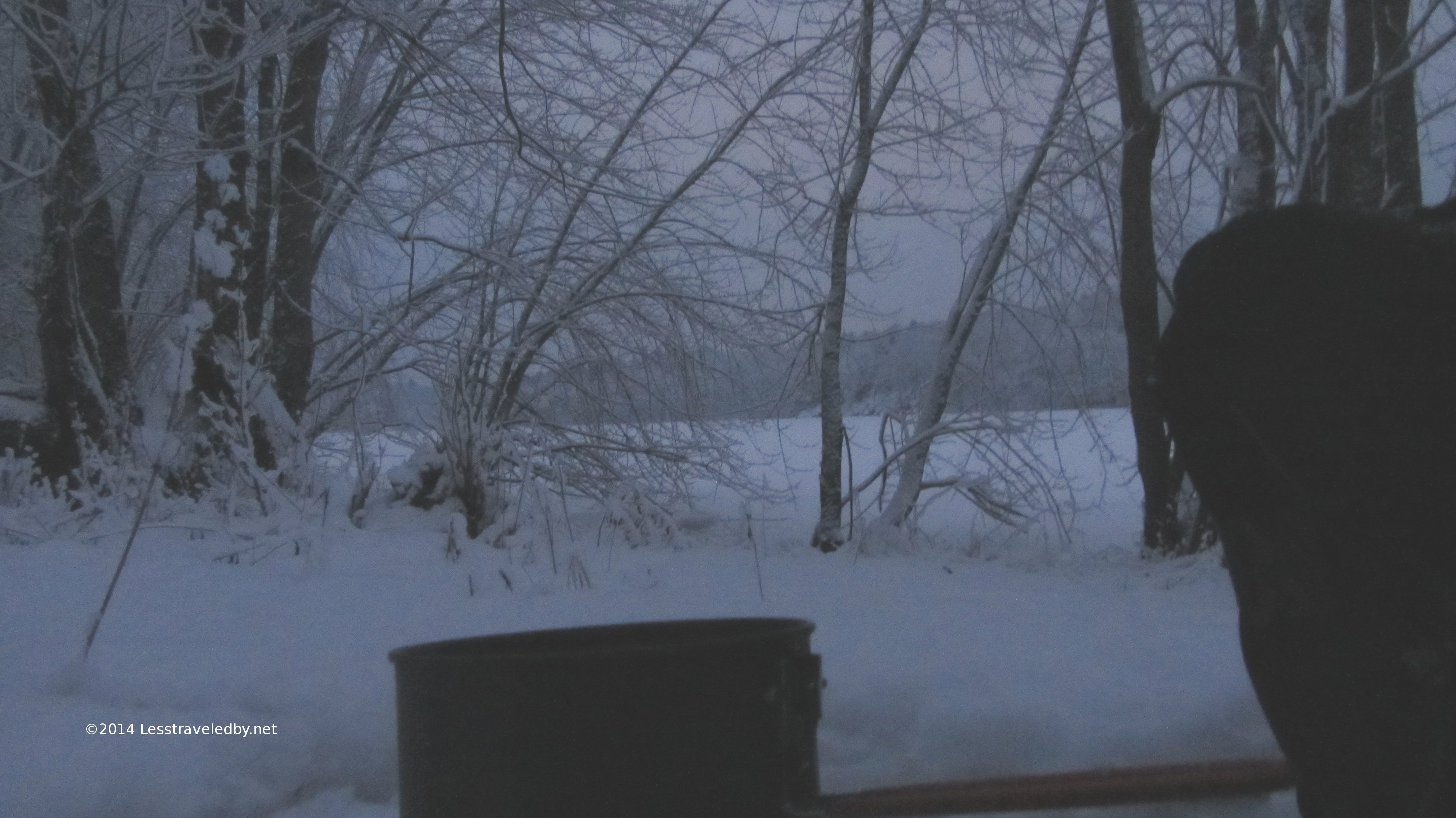
This was the early predawn view out the door of my tent.  It was too early to get up but too pretty to go back to sleep so I spent the next couple of hours enjoying being where I was.


IMG_2290aA piping hot cocoacino (instant coffee mixed with instant cocoa.  Caution these may be habit forming) seemed to be the right way to start the day and if you can make and enjoy it without fully getting out of bed so much the better.


IMG_2301a

Still a bit before sunrise, but it was so beautiful out I had a hard time staying in bed.


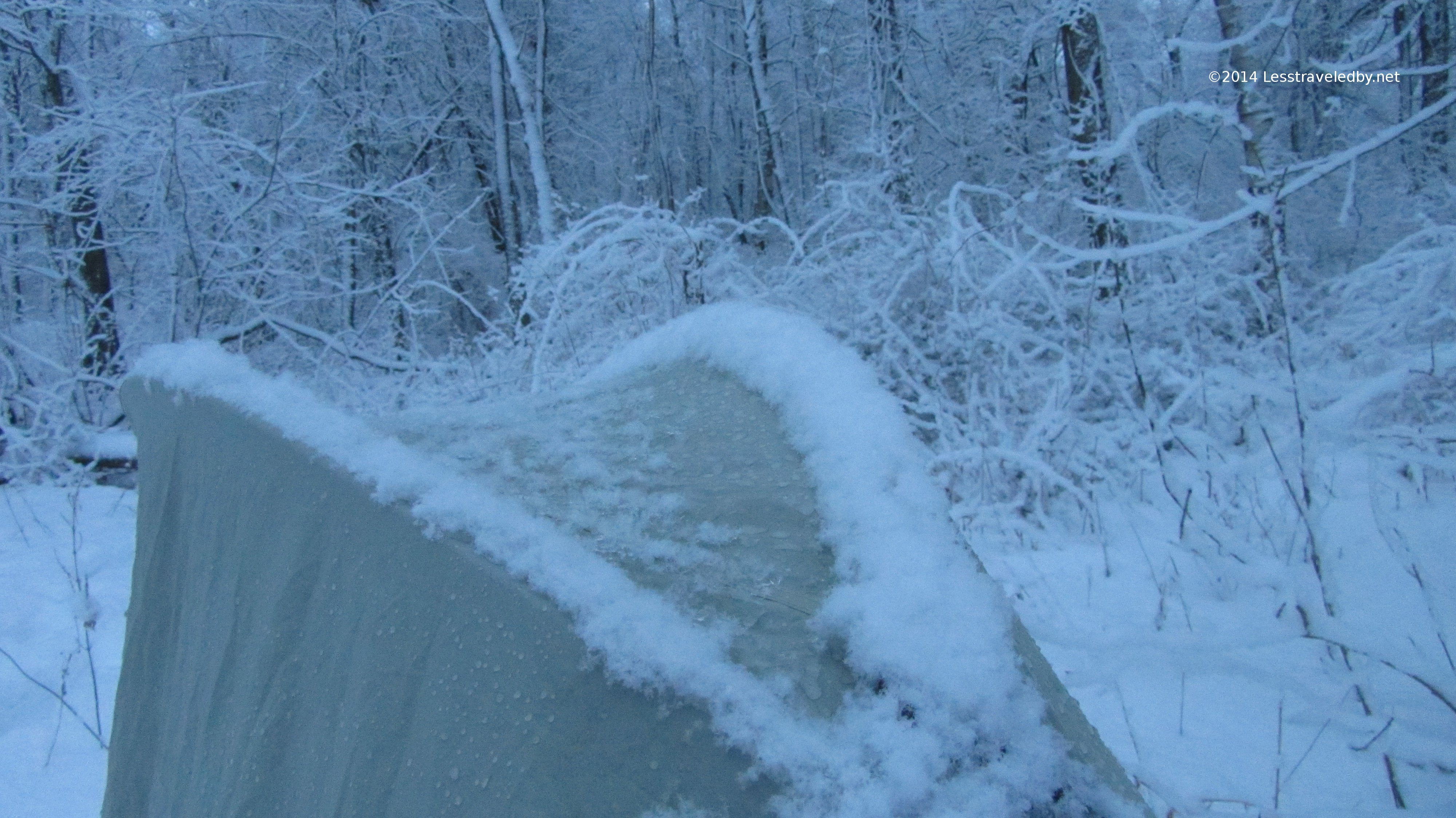
IMG_2304aA little snow clings to the ridges but my slack pitched fly shed most of the snow over night.


IMG_2307a

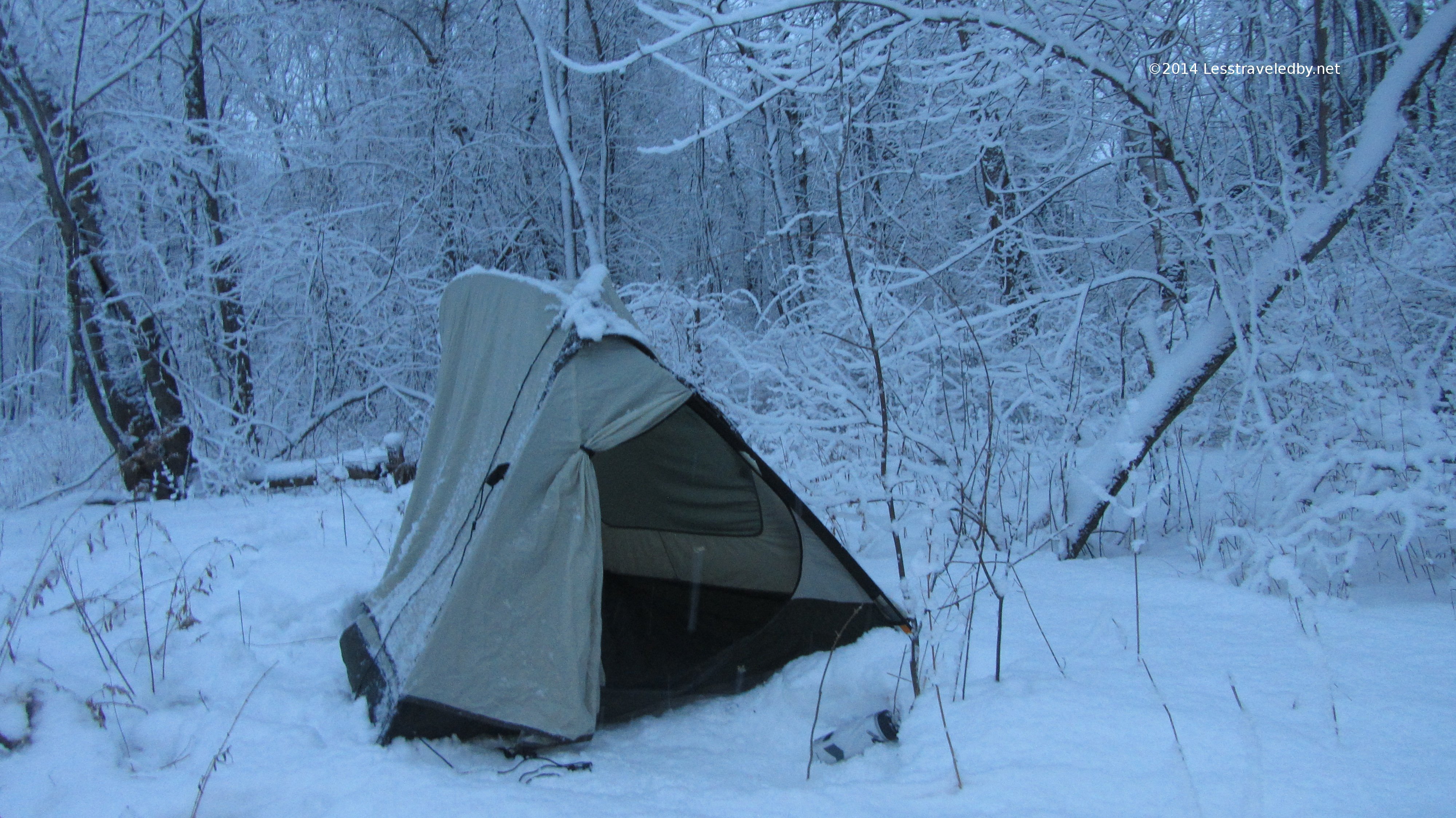
This old TNF Tephra22 isn’t my lightest tent but it is definitely my most bombproof and has held up through all sorts of weather.  Somewhere along the way they changed the pole design so don’t buy a newer one based on that remark heh.


IMG_2312a

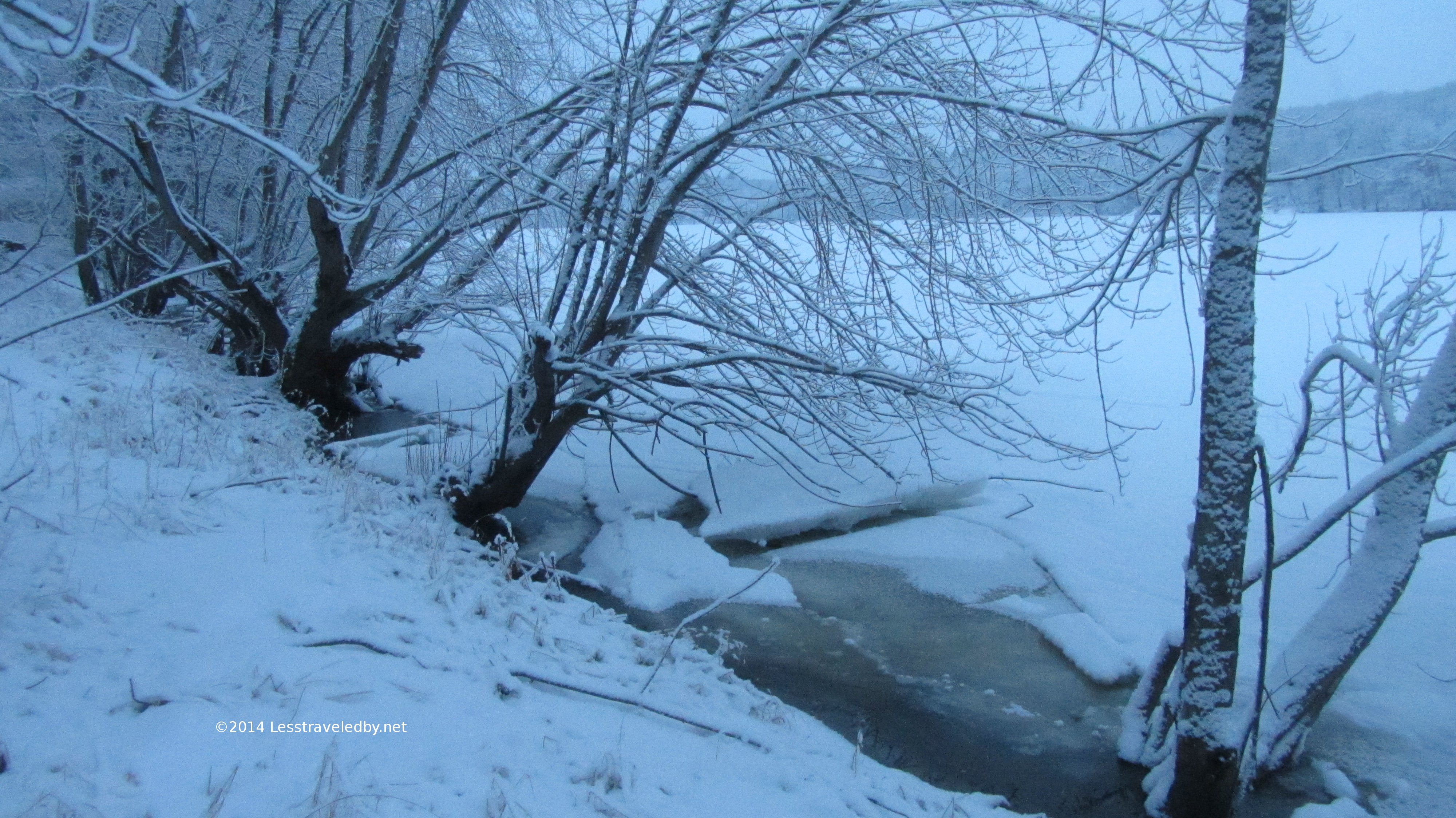
One last look at the river and it was time to navigate the icy woods on the way home.  Not a big adventure, but a doable adventure.  Just a few miles of hiking.  This time of year though, despite not being too far from home, it counts as a path less traveled by.

January Thaw

We were prepared for the snow when it came early.  When the sub zero blasts came one after another late in December we said “Ayuh, the Farmers Almanac said it was going to be snowy and cold.”  When the ice storms came I’d done a lot of work moving snow off the roof to get ready for them and then spent some time in the freezing rain removing ice to keep the house above water.  Winter in Maine is to be expected, prepared for and dealt with. It’s not something that comes as a surprise and certainly not something to complain about.

That being said I don’t think anything could have prepared us for this year’s January thaw.  We have had so much warm weather and rain that the snow cover is almost completely gone.  Some of the big rivers are breaking up creating ice dams and flooding, but in general the flooding has been surprisingly limited.  Perhaps this big thaw now will give us an easier time come Spring.  A man can dream of a short Mud Season can’t he?

IMG_2264a

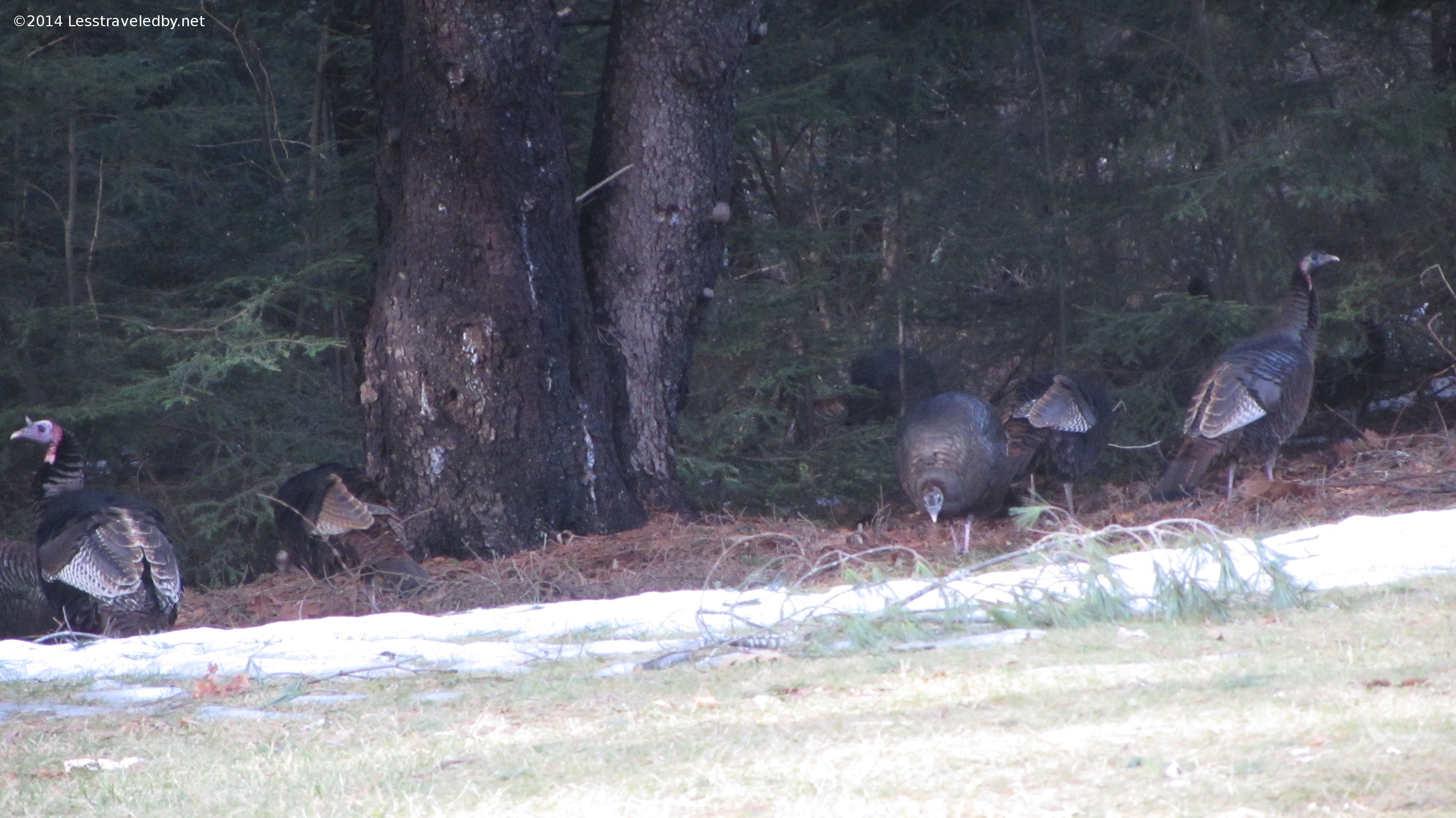
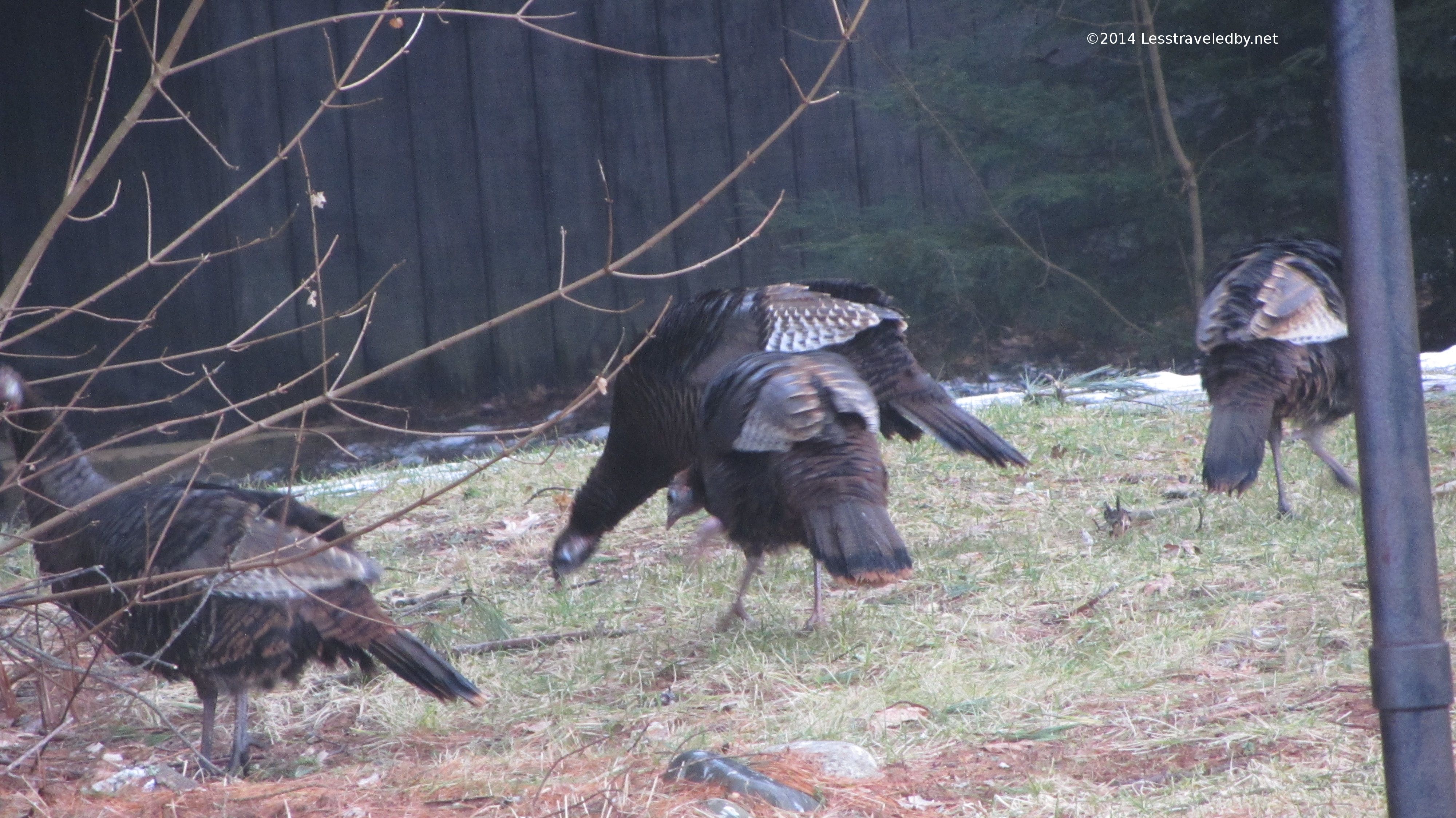
These wild turkeys are pretty pleased with the thaw.  When the snow was a few feet deep behind the house they were nowhere to be seen.  Now that there is some bare ground they have come out to the forest edge to feed.

In deep winter they roost up in the trees farther into woods.  If you’ve never had a turkey come swooping out of a tree and over your head it is certainly an experience.  Seeing them fly up into the trees will make you laugh as you’d never expect these fat guys to get off the ground.  Stepping out on a still Winter’s night to empty the coal hod and hearing the flap of those big wings right over your head will give you a shot of adrenaline before you laugh though!

IMG_2267a

These birds are still looking pretty fat this year.  In leaner years they get very skinny by Spring as feeding in deep snow is not easy.  We’ve been watching this flock since we bought this house a few years back and consider them part of the family now.

I’ve been doing a bit of my own January thawing lately.  This time of year I try to use up my left over dehydrated food from the previous year’s supplies.  Nutrition, flavor and texture all suffer from keeping that stuff around too long so this is a great time of year to use up what you can.  That will clear out space in the freezer for this years supplies.  I’ve been making lunches with my dried ground beef, pastas and sauces.  The sauces would still be good for another year but they help me use up everything else.   Last night I used the last of my mixed veggies in a soup for the family dinner.  Soon it will be time to start drying for this year’s trips.

The seasons are always in motion, for the turkeys and for us.  We’re both cleaning up last years food and enjoying a little mud under our feet instead of ice and snow.  Winter will be back in a few days, we know that, but eventually it will pass on to Spring.  Knowing that is what gets us through.  That and thoughts of paths less traveled by.